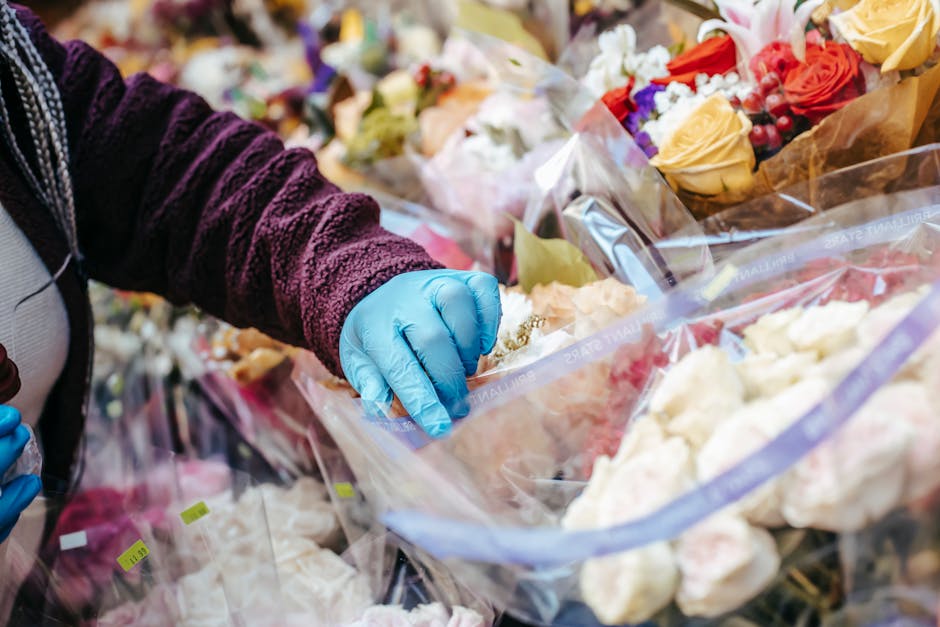
Flower waste disposal rules for South Kensington businesses
Posted on 04/10/2026
If you run a florist, hotel, restaurant, event space, office, or retail shop in South Kensington, flower waste can build up faster than you expect. One wedding order, a few daily hand-tieds, or a busy weekend of deliveries and suddenly you've got stems, leaves, broken boxes, wrap, water, and wilted blooms to deal with. The tricky bit is that flower waste disposal rules for South Kensington businesses are not just about "getting rid of rubbish". They're about separating waste properly, avoiding contamination, keeping storage tidy, and making sure your collection method fits the type of waste you produce.
That sounds a bit dry, to be fair. But if you've ever opened a back room on a Monday morning and caught that damp, sweet, slightly sour smell of old roses and soaked packaging, you'll know why this matters. In this guide, we'll break down what the rules mean in practice, how businesses usually handle floral waste, where compliance goes wrong, and how to make the process cleaner, simpler, and far less stressful.
We'll also cover the choices that matter most for South Kensington businesses specifically: small premises, high footfall, mixed commercial waste, occasional event spikes, and the need to keep everything looking professional. No fluff. Just the useful stuff.

Table of Contents
- Why flower waste disposal rules matter
- How flower waste disposal works in practice
- Key benefits and practical advantages
- Who this is for and when it makes sense
- Step-by-step guidance
- Expert tips for better results
- Common mistakes to avoid
- Tools, resources and recommendations
- Law, compliance, standards, and best practice
- Options and comparison table
- Case study or real-world example
- Practical checklist
- Conclusion
- Frequently asked questions
Why flower waste disposal rules for South Kensington businesses Matters
Flower waste may look harmless, but in a commercial setting it can create very real headaches. It attracts odours, makes storage areas untidy, and can contaminate recyclable packaging if it's mixed up with the wrong materials. In a busy South Kensington business, that can quickly affect customer experience. Nobody wants to walk past a back entrance where old hydrangea heads are stewing in a bag by the bins.
There's also the compliance side. Businesses in the UK have a duty to manage waste responsibly, and that usually means separating different waste streams rather than throwing everything into one bag and hoping for the best. Flower waste is often classed as biodegradable organic waste, but once you start mixing in cellophane, ribbon, foam, tape, glass vases, cardboard, and food from hospitality settings, the picture changes. The waste needs handling with care.
South Kensington adds its own pressures. Space is tight. Collections may need to be timed carefully. Some businesses are based in mixed-use buildings, which means neighbours notice smells and storage issues fast. If you've ever tried to squeeze wet green waste into a tiny service yard, you'll know the problem. It's not glamorous, and it doesn't wait politely.
Key point: the best disposal system is the one that keeps organic waste separate, reduces contamination, and fits the actual rhythm of your business. That's the real goal.
Practical takeaway: Treat flower waste as a small operational process, not an afterthought. The cleaner your system, the easier it is to stay compliant and keep the premises presentable.
How flower waste disposal rules for South Kensington businesses Works
In plain English, flower waste disposal works by sorting materials into the right bins or collection streams before they leave your premises. That sounds straightforward, but the detail matters. A single bouquet can contain compostable material, recyclable card, and non-recyclable packaging all in one go. Once mixed together, the whole lot can become harder and more expensive to handle.
For most businesses, the process looks something like this:
- Separate fresh flower waste from packaging and hard waste.
- Keep reusable items, such as jars or vases, out of the discard stream.
- Store organic waste in a lidded container or sack that reduces smell and leakage.
- Keep bins clean, clearly labelled, and easy for staff to use.
- Arrange collections often enough that waste does not sit around and break down too far.
In practice, flower waste can mean stems, petals, leaves, old bouquets, unusable cuttings, and water-soaked display material. Depending on your operations, you may also deal with soil, moss, compost, plant trimmings, and event leftovers. If your business also handles gift items or sympathy arrangements, you may find non-floral additions in the mix too, so the sort-and-separate step is doing a lot of heavy lifting.
One thing worth saying: disposal is not only about the final bin. It includes how waste is generated, how staff handle it during the day, and where it is stored before collection. A neat rear storage area may feel like a small detail, but it makes a big difference when clients, couriers, or neighbouring tenants pass by.
You'll also want to think about wet versus dry waste. Wet flower waste breaks down quickly and can leak into cardboard or paper. That contamination is a classic problem. Once cardboard is damp and starts slumping at the bottom of a bin, recycling options become more limited. Not ideal, obviously.
Key Benefits and Practical Advantages
Good flower waste disposal is not just about avoiding trouble. It improves day-to-day working life in ways you notice almost immediately.
- Cleaner premises: Less mess in back-of-house areas, fewer spills, and fewer unpleasant smells.
- Better hygiene: Useful in florists, hospitality venues, and any business where customers can see or smell service areas.
- Lower contamination risk: Better sorting protects recycling streams and reduces avoidable waste costs.
- Smoother operations: Staff know exactly where waste goes, which saves time and confusion during busy periods.
- Improved presentation: Important in South Kensington, where the standard for finish and appearance tends to be high.
- Less stockroom clutter: Broken stems and offcuts don't pile up in corners.
There's also a softer benefit: better morale. Staff generally work more comfortably when the waste system is tidy and obvious. You might not hear anyone celebrate a well-labelled bin, but they notice. Trust me, they notice.
For customer-facing businesses, the upside is even clearer. A florist with an orderly back area usually feels more professional overall. A restaurant that handles floral decor and table flowers neatly looks more polished. An event venue can clear away post-event waste without the "Monday morning aftermath" feeling that everyone secretly dreads.
Who This Is For and When It Makes Sense
This guidance is useful for any South Kensington business that deals with flowers regularly or occasionally. That includes more than just florists.
- Florists and flower shops managing daily cuttings, unsold stems, packaging, and display waste.
- Hotels and serviced apartments using lobby arrangements, room flowers, or event decor.
- Restaurants and cafes with table flowers, seasonal displays, or venue styling.
- Event planners and venues handling weddings, receptions, launches, and private dining setups.
- Offices and corporate premises with reception flowers or client-facing arrangements.
- Funeral directors and memorial venues managing tributes, wreaths, sprays, and sympathy arrangements.
It makes sense to put a process in place if your business has any of the following:
- more than a handful of floral deliveries each week
- regular same-day or next-day orders
- limited storage space
- a public-facing entrance near the waste area
- mixed waste from flowers, packaging, and event materials
- issues with odour, pests, or clutter
If flower waste appears only occasionally, you may only need a basic separation setup. But if you're dealing with fresh stems every day, or post-event clear-downs on a regular basis, a more structured waste plan is worth it. Little habits become big habits. That's usually how these things go.
Step-by-Step Guidance
Here's a practical approach that works well for most South Kensington businesses.
1. Identify all flower-related waste streams
Start by mapping what actually leaves your premises. Fresh flower waste, paper wrap, plastic sleeves, ribbon, cardboard, broken containers, water, and any decorative add-ons should each be considered separately. A florist's waste profile is different from an office reception desk, and an event venue is different again.
2. Separate organic waste from packaging
Keep stems, leaves, petals, and spoiled arrangements away from cardboard, plastic, and glass. This simple step prevents contamination and makes the waste easier to handle. If staff are rushing, give them a system that is impossible to misunderstand. Clear labels help. Colour coding helps too.
3. Use the right containers
Wet flower waste does best in robust, lined, lidded containers that are emptied often. Dry cuttings may be easier to manage in sacks or separate bins, depending on your collection arrangements. Avoid overfilling. A bin that bulges and leaks is already failing you.
4. Store waste safely and neatly
Choose a storage point that is sheltered, accessible, and out of the customer line of sight where possible. In South Kensington, that often means making the most of very limited space. Even a small service corner can work well if it is kept clean, ventilated, and easy to access on collection day.
5. Schedule collections to match your volume
Don't let floral waste linger longer than necessary. In warm weather, decomposition speeds up. On a busy Friday afternoon, it may be worth planning extra clear-outs before the weekend. A collection pattern that looks fine in winter can fail badly in spring or during event season.
6. Train staff briefly and clearly
You do not need a training manual the length of a novel. A short checklist, a visual guide, and a five-minute walkthrough are often enough. Show people what goes where, what never goes in the flower waste bin, and who is responsible for emptying it. If one person does it all and then goes on holiday, problems start.
7. Review and improve
After a week or two, check what's working. Are bins filling too quickly? Are wrappers ending up in the organic waste? Is the back area smelling? Small fixes now save a lot of faff later.
Expert Tips for Better Results
Here are the kinds of practical details that tend to make the biggest difference.
- Use smaller bins if waste breaks down quickly. It sounds counterintuitive, but a smaller container emptied more often is often cleaner than one giant bin left to sit.
- Keep dry and wet waste apart. Even a small amount of moisture can ruin cardboard and increase odour.
- Place a "what goes here" sign at the point of disposal. Staff are much more likely to sort waste correctly when the instruction is right there.
- Rinse containers that held flowers in water. That prevents slime build-up and keeps smells down.
- Check collection timing against your busiest days. Many businesses discover their bin strategy only fails on the busiest day. Annoying, but common.
- Factor in seasonal spikes. Weddings, Valentine's Day, Mother's Day, Christmas, and summer event periods can create a lot more floral waste than usual.
One small observation from real life: the best systems usually look boring. That is a compliment. Boring means predictable, and predictable means staff get it right without thinking too hard. Which, let's face it, is what you want on a hectic delivery day.
If you share premises with other businesses, don't assume everyone follows the same habits. Agreeing on bin use, access times, and cleaning responsibilities can prevent friction. No one enjoys a quiet bin-stand argument at 7:30 in the morning.

Common Mistakes to Avoid
These are the errors that come up again and again.
- Mixing flower waste with recyclables. Once cardboard or paper is wet, it may no longer be recyclable in the usual way.
- Letting waste sit too long. Organic waste degrades quickly, especially in warmer weather.
- Overlooking packaging contamination. Tape, foam, plastic wrap, and ties often end up tangled with stems.
- Using open bins in public or semi-public areas. This can create odour and hygiene problems very quickly.
- Not training temporary staff. Event staff, weekend helpers, and seasonal workers may not know your system unless you show them.
- Forgetting about liquid waste. Vase water, soaked floral foam, and damp paper can all cause leaks.
- Assuming all organic waste is the same. Not every collection arrangement treats garden waste, flower waste, and food waste in exactly the same way.
There's a bigger mistake too: treating waste disposal as something to "sort out later". Later usually arrives with smell, clutter, and a bit of a scramble.
Tools, Resources and Recommendations
You don't need a complicated setup to manage floral waste well. A few practical tools do most of the work.
- Clearly labelled bins: Make it obvious which bin is for flowers, packaging, and general waste.
- Lidded bins or containers: Helps with odour control and keeps the back area tidier.
- Heavy-duty bin liners: Useful for wet stems and mixed organic cuttings.
- Simple wall signs: Good for staff rooms, stock areas, and bin stores.
- Cleaning spray and cloths: Useful for keeping storage areas fresh and reducing residue.
- Basic log sheet: Handy if you want to note collection frequency, overflow issues, or recurring contamination problems.
It can also help to review your broader business practices. A cleaner ordering pattern, smarter use of seasonal stock, and better stock rotation all reduce waste before it starts. If you're already thinking about sustainability, you may also want to look at the business's own sustainability approach, because waste handling and waste reduction usually belong in the same conversation.
If your team handles arrangements that need care before disposal or reuse, the guidance on flower care can help reduce avoidable spoilage in the first place. A little better handling upstream often means a lot less waste downstream.
And if your business sells flowers directly, a reliable delivery setup can make a difference to waste volumes too. Missed or delayed delivery means more stock sitting around than it should, so processes like delivery and product presentation can influence how much flower waste you create over the week.
Law, Compliance, Standards, or Best Practice
In the UK, businesses have general obligations to manage waste properly and prevent it from being handled carelessly. The exact requirements for your premises depend on the type of waste produced, how it is stored, who collects it, and whether any materials are classed differently from standard commercial waste. It is wise to treat flower waste as part of your wider waste duty rather than as a casual by-product.
In practical terms, that usually means:
- separating waste where it can reasonably be separated
- storing waste securely and hygienically
- using a suitable licensed waste contractor where required
- keeping records or documentation when appropriate
- avoiding contamination of recyclable materials
Best practice is often more important than arguing over minimums. Why? Because a system that is barely adequate on paper can still fail in the real world. If a collection point smells bad, leaks, or attracts pests, it is not really working, even if someone thinks the bin label looks tidy.
For South Kensington businesses, a sensible standard is to keep organic flower waste separate from packaging and to empty it often enough that it never becomes a nuisance. If your business uses mixed commercial waste collections, check that flower waste is being managed in the way your contractor expects. Different contractors may accept different waste streams, and assumptions here can get expensive.
Where flowers are part of events or hospitality, there may also be health and safety considerations around slip risk, storage access, and hygiene. A wet floor near the bins is more than annoying; it can be a real hazard.
Options, Methods, or Comparison Table
Different businesses choose different disposal methods depending on space, volume, and collection arrangements. Here's a simple comparison.
| Method | Best for | Advantages | Watch-outs |
|---|---|---|---|
| General commercial waste bin | Very small volumes | Simple and familiar | Can mix organic waste with packaging; odour may build up |
| Separate organic/green waste stream | Florists and venues with steady flower waste | Cleaner sorting, less contamination, often better hygiene | Needs clear staff routines and suitable collection setup |
| Frequent small-bin collection | Busy shops with limited space | Reduces smell and overflow, easier for tight premises | Requires discipline and regular emptying |
| On-site composting | Limited quantities and suitable premises | Can reduce disposal volume | Not ideal for every site; needs space, control, and correct material input |
| Mixed waste skip or shared commercial bin | Large event clear-downs | Useful for one-off surges | Easy to contaminate recyclables and create poor separation |
For many South Kensington businesses, the second or third option is the sweet spot: a defined organic waste stream or frequent small-bin collection. It's usually cleaner, easier to train around, and less likely to go wrong when the shop gets busy.
Case Study or Real-World Example
Picture a small florist near a busy South Kensington street. The shop does daily hand-tieds, sympathy arrangements, and a steady stream of corporate flowers. On Friday afternoons, the back room fills up with spent stems, damp wrap, and cuttings from same-day orders. Before the team tightens the process, waste bags are left open for too long, cardboard gets soggy, and the storage corner starts to smell a bit like a greenhouse left in the rain.
They make three changes. First, they add a separate lidded container for flower waste. Second, they put a one-page sorting guide right by the prep table. Third, they increase the collection frequency during busy weeks and after big event orders. Nothing dramatic. Just sensible, practical changes.
Within a short time, the back area is easier to work in, staff spend less time untangling mixed waste, and packaging stays cleaner. The shop is not doing anything fancy. It is simply doing the basics well, which is usually enough. Truth be told, that is often the difference between "we manage" and "this place is under control".
The same approach works for hotels and event venues too. If the waste stream is predictable, the system can be simple. If the waste stream spikes, the system needs a bit more room to breathe.
Practical Checklist
Use this checklist to review your current setup.
- Do we separate flower waste from packaging and general rubbish?
- Are bins clearly labelled and easy for staff to use?
- Do we have lids or covers on waste containers where needed?
- Are bins emptied before they become full, leaky, or smelly?
- Do we have a routine for cleaning the storage area?
- Have temporary or seasonal staff been shown the process?
- Do we know who is responsible for waste at the end of the day?
- Are flower waste and wet materials kept away from cardboard?
- Have we checked whether our waste collection matches our volume?
- Do we review the system after busy periods or events?
If you can answer "yes" to most of those, you're already in good shape. If not, don't panic. Most waste systems improve pretty quickly once someone actually looks at them properly.
One useful habit: do a 10-minute Friday check before the weekend rush. It saves a lot of Monday regret.
If you need help improving your waste handling or want to align disposal with your broader business operations, start by reviewing your current process and making one small change at a time. That approach is usually calmer and more effective than trying to overhaul everything in one go.
Get a free quote today and see how much you can save.
Conclusion
Flower waste disposal rules for South Kensington businesses come down to a simple idea: keep organic waste separate, keep it tidy, and keep it moving. Once you do that, the rest becomes much easier. Your premises look better, staff work more smoothly, and you reduce the chances of contamination, odour, and avoidable compliance issues.
South Kensington businesses often work in compact spaces with high standards and constant customer visibility, so waste handling has to be practical as well as neat. The good news is that you do not need a complicated system to get it right. A few clear habits, some well-placed bins, and a sensible collection routine are usually enough.
Start with the basics, keep it simple, and refine as you go. Small improvements really do add up.
Frequently Asked Questions
What counts as flower waste for a business?
Flower waste usually includes spent blooms, stems, leaves, trimmings, spoiled bouquets, and other organic leftovers from floral work. It may also include water-soaked material from display arrangements. Packaging is different and should usually be separated.
Can flower waste go in general commercial rubbish?
Sometimes it can, depending on your waste setup, but that is often not the best option. General rubbish tends to mix organic waste with packaging, which can increase smell and contamination. A separate stream is usually cleaner and easier to manage.
Do South Kensington businesses need separate bins for flower waste?
In many cases, yes, a separate bin or container is the simplest way to keep organic waste apart from recyclables and general waste. It does not have to be elaborate, but it should be clear, accessible, and used consistently.
How often should flower waste be collected?
That depends on how much waste you generate, the weather, and your storage space. Busy florists and venues often need more frequent collections than a small office with occasional displays. If the waste smells or leaks, collection is too infrequent.
Is flower waste recyclable?
Fresh flower waste itself is not usually recycled in the same way as cardboard or plastic. However, some flower waste may be suitable for green waste handling or composting, depending on the collection route. Packaging should be assessed separately.
What should not go into a flower waste bin?
Do not put plastic wrap, ribbon, tape, wire, glass, cardboard, or mixed packaging into the flower waste container unless your waste contractor has specifically said it is acceptable. Contamination is one of the easiest ways to make the whole bin harder to process.
How do I stop flower waste from smelling?
Use lidded containers, empty bins regularly, separate wet waste from dry packaging, and keep the storage area clean. Warm weather can make smells appear quickly, so timing matters more than people expect.
Are floral foam and ribbons treated the same as stems?
No. Floral foam, ribbon, and stems are different waste types. Foam and ribbons are generally not handled the same way as organic flower waste, so they should be separated unless your waste provider says otherwise.
What is the biggest compliance risk with flower waste?
The biggest risk is usually poor separation and contamination. When flower waste is mixed with recyclables or left to build up, it can create hygiene problems, odour, and waste handling issues. Keeping a simple system in place reduces that risk significantly.
Can a small business manage flower waste without a specialist contractor?
Some can, if the volume is very low and the waste stream is simple. But if you produce regular flower waste, especially in a customer-facing or compact setting, a structured collection arrangement is often worth it. It saves time and keeps the business tidier.
What should I do after a large event or wedding?
Plan for extra waste before the event ends. Have a clear collection point, separate packaging from flowers, and arrange for prompt removal if possible. Event clear-downs are where waste systems often get messy fast, so a bit of planning helps a lot.
Where can I improve my floral waste process first?
Start with separation, then storage, then collection timing. That order works well because it tackles the most common problems first. If you sort waste correctly but leave it too long, you still end up with smell and clutter. If you collect frequently but mix everything together, you still get contamination. Both matter.